Can a USB microphone use a private label?
Yes. Available options may include logo placement, color, packaging, manual and accessory changes. Feasibility and quantity depend on the selected platform and process.
Choose the electrical platform first, then define branding, packaging, testing and commercial requirements. This sequence produces a clearer quotation and a more useful sample.
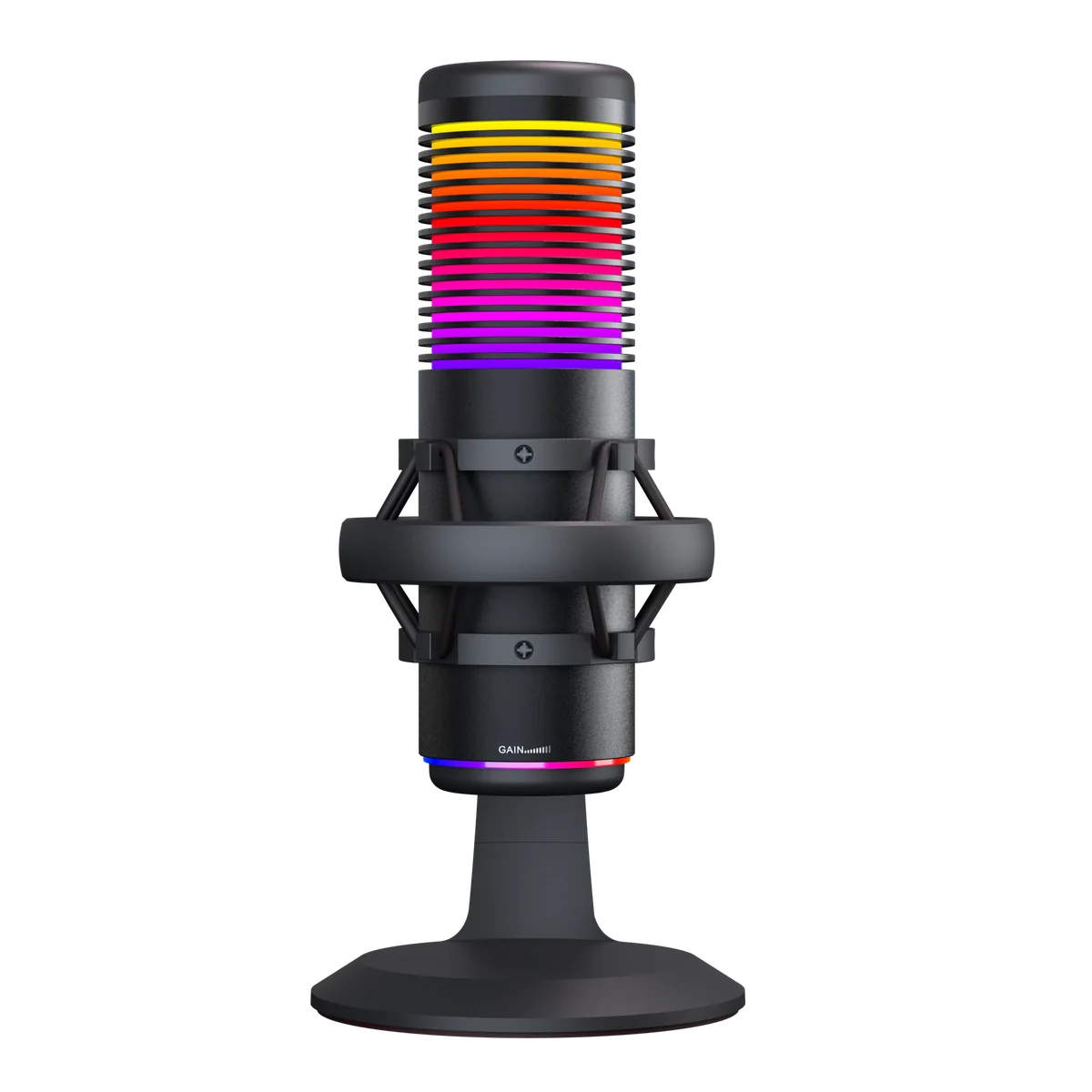
A buyer should shortlist a proven USB microphone platform, specify the intended user and market, then send estimated quantity, connection, audio configuration, controls, lighting, logo and packaging requirements in one RFQ. Confirm every electronic specification on the sample before mass production.
A gaming microphone, streaming microphone, podcast microphone and office voice microphone may share a USB connection but need different controls, stands, lighting and acoustic priorities. Describe the user, sales channel and expected retail position before choosing the housing.
Compare connection type, supported sampling configuration, pickup pattern, monitoring output, mute and gain controls, noise-reduction functions, stand design and housing material. JRT Audio currently presents ten USB and XLR/USB desktop microphone platforms for comparison.
Private-label OEM normally starts from an existing platform and may include logo, color, cable, accessories, manuals and retail packaging. ODM can involve electrical, mechanical or tooling changes. Buyers should identify which changes are essential so engineering work is not confused with decoration.
Request the exact model and configuration you may purchase. State plug type, target market, operating system, recording application and the accessories to be evaluated. Use the sample to check voice clarity, noise, control behavior, stand stability, lighting, finish and packaging—not only appearance.
MOQ can change by model, color, logo process, packaging and component configuration. Ask separately for a standard sample, logo sample, customized retail package and production order. This prevents a low sample quantity from being mistaken for the final customized MOQ.
Before production, approve the final sample, artwork, color reference, package structure, included accessories, labeling and a written quality checklist. The approved combination—not a general catalogue photo—should become the production reference.
Yes. Available options may include logo placement, color, packaging, manual and accessory changes. Feasibility and quantity depend on the selected platform and process.
No. The useful figure is the MOQ for the specific model and customization package. Ask the factory to separate standard-product, logo, packaging and ODM requirements.
Test voice capture, background noise, pickup behavior, monitoring, mute and gain functions, connection stability, controls, lighting, stand stability, surface finish and package completeness.
Send the model or reference, estimated quantity, target market, connection, required functions, logo, color, package language, certifications and target timing.
Send the model direction, quantity and target market for configuration, MOQ and sample information.