Start with the product category
A useful headset factory RFQ should first identify the product category: wireless gaming headset, wired gaming headset, Bluetooth headphones, wired gaming earbuds, HiFi IEMs or office communication headsets. Different categories use different platforms, accessories, packaging and testing requirements.
Send the basic commercial details
A faster quotation usually needs preferred model or reference style, estimated quantity, target market, sales channel, target price if available and expected sample or delivery schedule. These details help the factory recommend a realistic OEM or private-label direction.
Explain the customization request
Buyers should mention logo position, product color, packaging, cable, connector, microphone, wireless function, controls, battery target and certification expectations. Even if some details are not final, a rough direction helps the factory recommend suitable options.
Share market and channel information
A distributor, online seller, gift-channel buyer, gaming accessory brand and office headset buyer may need different packaging and feature priorities. Market information helps the factory understand the real sourcing requirement instead of quoting only from a product photo.
Attach reference images carefully
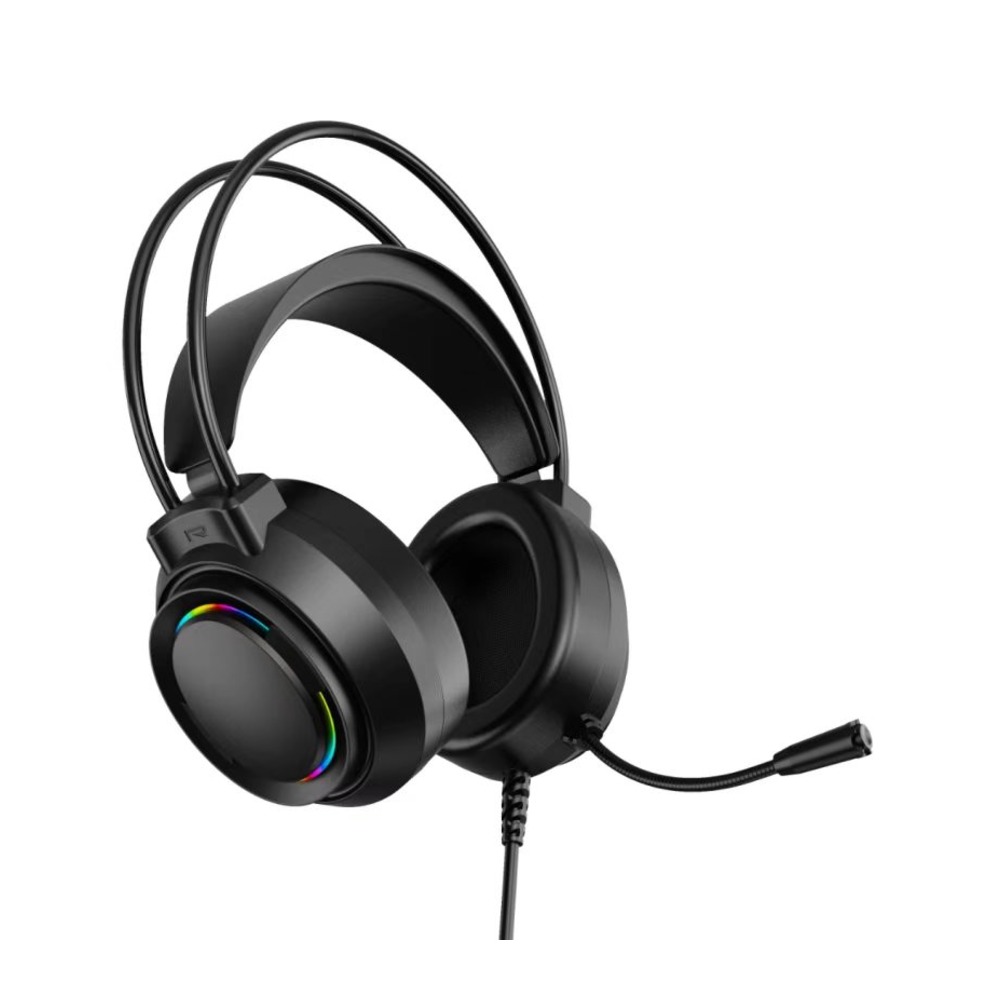
Reference images are useful for shape, color and positioning, but they should not replace written requirements. Buyers should explain which parts of the reference matter: housing style, boom microphone, RGB lighting, ear cushion, cable, charging dock, logo area or retail packaging.
Use one clear RFQ message
Instead of sending scattered messages, combine category, model reference, quantity, market, customization needs, packaging language, certification needs and timeline into one message. This makes the first factory reply more useful and improves sourcing efficiency.