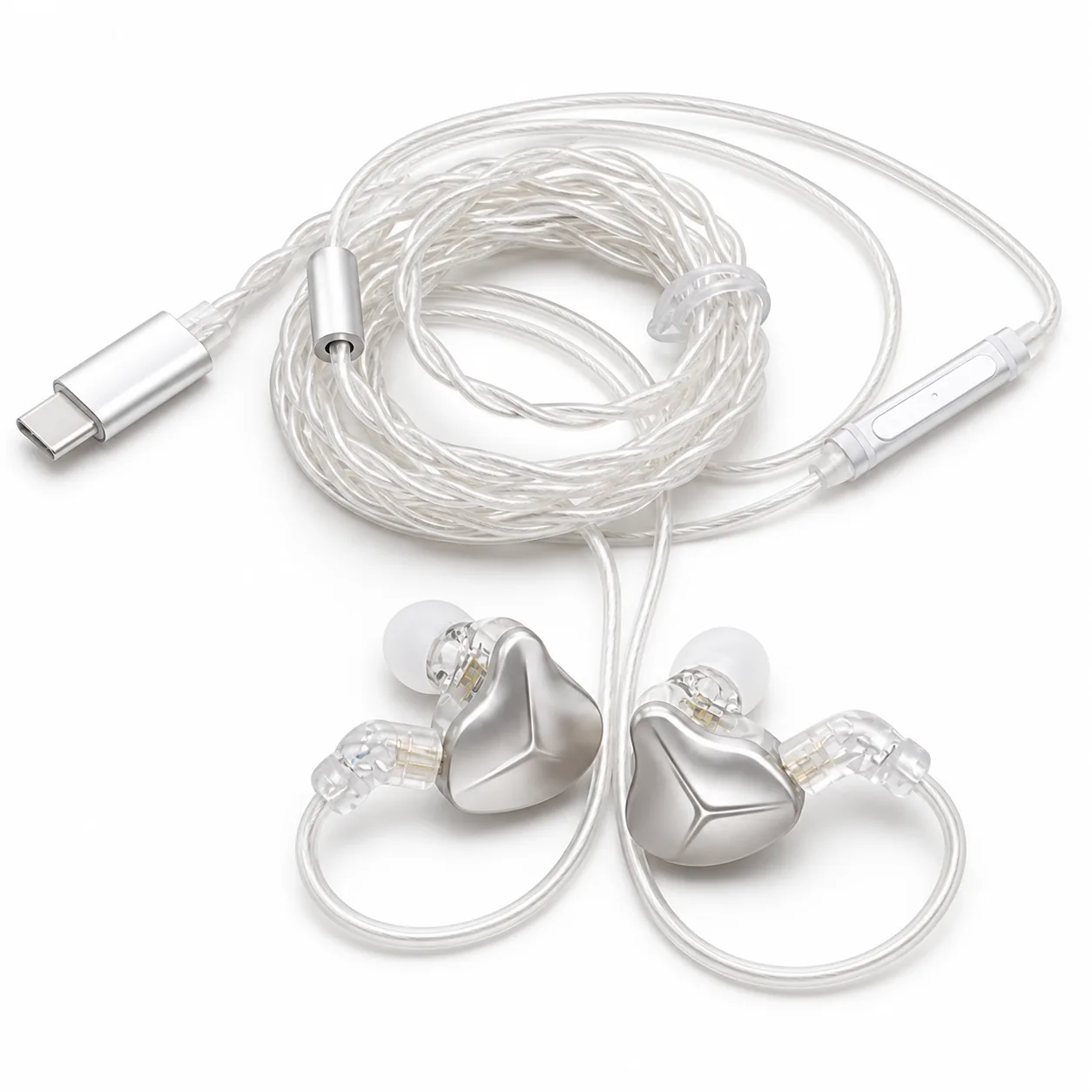
A private-label IEM OEM quotation becomes useful only when the buyer and factory are discussing the same configuration. MOQ, samples, tuning, cable, logo and packaging should be treated as one connected project rather than separate choices.
MOQ: define the exact model and package first
MOQ depends on the selected platform, color, cable, packaging and other project requirements. For JRT Audio's current IEM range, the typical project reference is 3,000 pieces per model. Final MOQ is confirmed after the model and customization scope are fixed.
Sample quantity and evaluation
Start with shortlisted models instead of ordering every available earphone. Two sample units per selected model are practical for many B2B projects: one can remain with purchasing or product management, while the second can be used for listening, engineering comparison or channel review.
| Sample check | What to review |
|---|---|
| Acoustics | Channel balance, bass, vocals, treble and target use |
| Fit | Comfort, insertion depth, ear hooks and tip selection |
| Cable | Length, flexibility, microphonics, plug and controls |
| Microphone | Voice level, button functions and device compatibility |
| Appearance | Color, surface finish, logo position and consistency |
| Packaging | Protection, inserts, accessories, artwork and labeling |
Acoustic tuning and driver selection
The product brief should describe the target listener and use case. A single dynamic-driver platform may suit a balanced retail product, while a DD+BA direction may be considered when the project requires a different presentation. Tuning decisions should be confirmed through measured and listening samples rather than marketing terms alone.
Cable, connector and digital audio options
Common project directions include 3.5 mm cables, microphone controls, silver-plated cable structures, detachable-style connectors and Type-C digital audio. For Type-C/DSP projects, confirm chip functions, supported audio requirements and microphone compatibility before tooling or package artwork is approved.
Logo and packaging preparation
Provide vector logo artwork, preferred print or laser process, color references and the exact package language. The retail package should identify the approved model, included accessories and destination-market labeling requirements. Avoid finishing artwork while the cable or accessory set is still changing.
- Selected model and driver direction
- Connector, cable and microphone
- Target tuning and user scenario
- Logo, color and housing finish
- Accessory and package list
- Estimated quantity, market and delivery plan
Production release
Mass production should follow the customer-approved sample and project documents. Confirm cosmetic standards, functional checks, packaging details and inspection criteria before release. Any compliance request should be defined for the actual product configuration and destination market.
How to request a faster quotation
Send the factory a short RFQ containing target market, model preference, quantity, connector, sound direction, logo and packaging needs. This allows the supplier to recommend a realistic sample plan instead of returning a generic price.
Compare current options on the JRT Audio HiFi IEM OEM page. If you are still evaluating suppliers, read how to choose an OEM IEM manufacturer.